Top Tips for Landscape Care for Home Gardens
- jpservice1965
- Mar 30
- 3 min read
Maintaining a beautiful and healthy garden is a rewarding endeavor. It brings peace, enhances curb appeal, and creates a welcoming outdoor space. Yet, it requires consistent effort and thoughtful care. Over the years, we have learned that a calm, steady approach to landscape care for home gardens yields the best results. With the right knowledge and routine, anyone can nurture their outdoor space into a vibrant, thriving environment.
Landscape Care for Home Gardens: The Basics
When we talk about landscape care for home gardens, we refer to the ongoing tasks that keep plants, lawns, and hardscapes in excellent condition. This care involves more than just watering and mowing. It includes understanding the needs of different plants, soil health, pest control, and seasonal adjustments.
One of the first steps is to assess your garden’s unique conditions. Consider the soil type, sunlight exposure, and local climate. These factors influence which plants will thrive and how you should care for them. For example, a sunny, dry spot may be perfect for drought-tolerant plants, while shaded areas might need species that prefer less light.
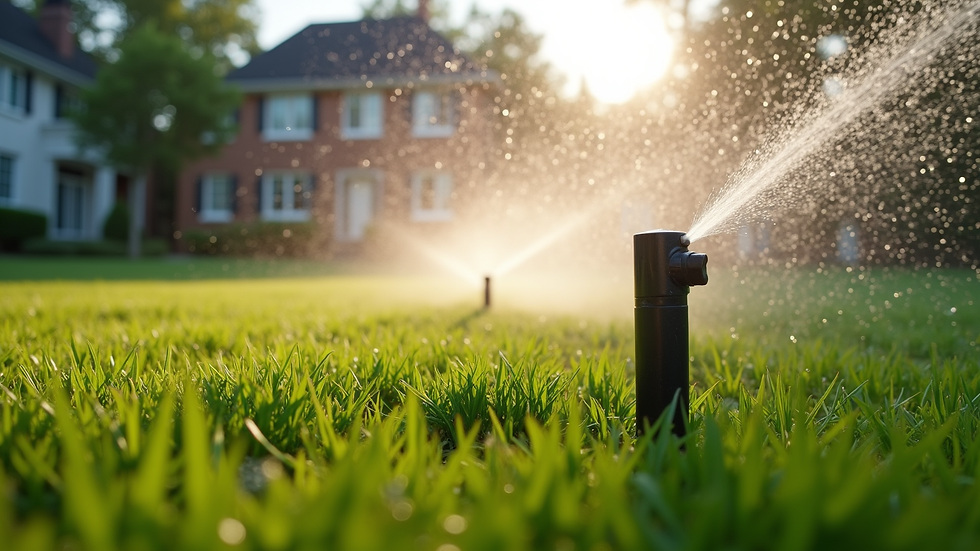
Regular watering is essential, but it must be done wisely. Overwatering can be as harmful as underwatering. We recommend watering early in the morning or late in the evening to reduce evaporation. Using drip irrigation or soaker hoses can deliver water directly to the roots, conserving moisture and preventing fungal diseases.

What Does Landscape Maintenance Include?
Understanding what landscape maintenance includes helps us plan and prioritize tasks effectively. It generally covers:
Lawn care: Mowing, edging, aerating, fertilizing, and weed control.
Plant care: Pruning, deadheading, fertilizing, and monitoring for pests or diseases.
Soil management: Testing soil pH, amending soil with organic matter, and mulching.
Irrigation: Installing, adjusting, and repairing watering systems.
Hardscape upkeep: Cleaning patios, walkways, and maintaining garden structures.
Seasonal tasks: Leaf removal in fall, winterizing plants, and preparing beds for spring.
Each of these components plays a vital role in maintaining a balanced and attractive landscape. For instance, regular pruning encourages healthy growth and flowering, while proper soil management ensures plants receive the nutrients they need.
Essential Tools and Equipment for Garden Care
Having the right tools makes landscape care for home gardens more efficient and enjoyable. Basic tools include:
Pruning shears: For trimming small branches and deadheading flowers.
Lawn mower: Choose one suitable for your lawn size and terrain.
Rake: Useful for leaf removal and soil leveling.
Garden gloves: Protect your hands while working.
Watering equipment: Hoses, sprinklers, or drip irrigation systems.
Soil tester: To monitor soil pH and nutrient levels.
Investing in quality tools pays off in the long run. Well-maintained equipment performs better and lasts longer. Remember to clean and sharpen tools regularly to keep them in top shape.
Seasonal Tips for Year-Round Landscape Care
Each season brings unique challenges and opportunities for garden care. Adapting your routine to the changing weather helps maintain a healthy landscape throughout the year.
Spring:
Clean up debris and dead plant material.
Test soil and apply amendments as needed.
Start planting new flowers and shrubs.
Begin regular watering and fertilizing schedules.
Summer:
Monitor for pests and diseases closely.
Water deeply but less frequently to encourage strong roots.
Mow lawns regularly but avoid cutting too short.
Mulch beds to retain moisture and suppress weeds.
Fall:
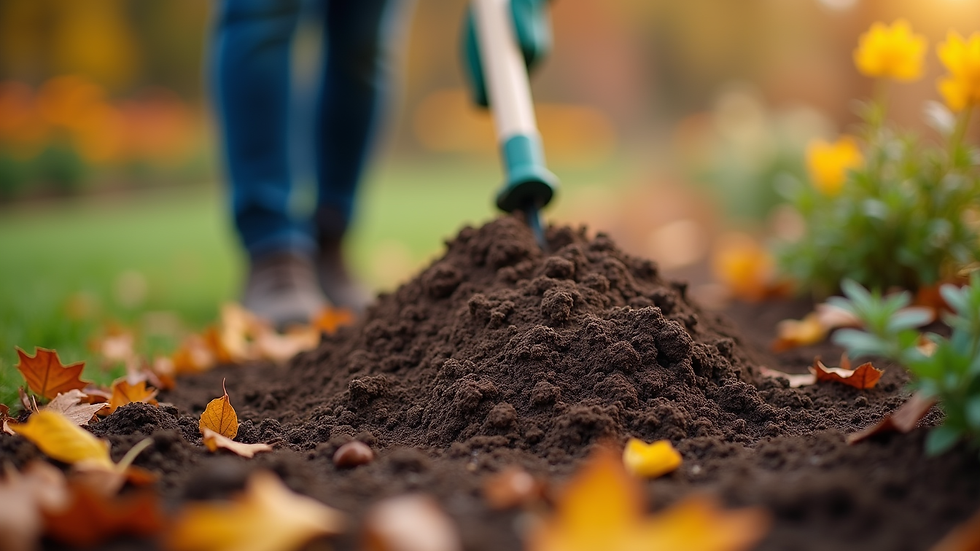
Rake leaves and compost them if possible.
Prune dead or diseased branches.
Plant bulbs for spring blooms.
Prepare irrigation systems for winter shutdown.
Winter:
Protect sensitive plants with covers or mulch.
Avoid walking on frozen lawns to prevent damage.
Plan next year’s garden layout and plant choices.
Clean and store tools properly.
Practical Tips for Sustainable Landscape Care
Sustainability is an important consideration in modern garden care. By adopting eco-friendly practices, we not only protect the environment but also create a more resilient landscape.
Choose native plants: They are adapted to local conditions and require less water and fertilizer.
Use organic fertilizers: These improve soil health without harmful chemicals.
Compost garden waste: It reduces landfill use and provides rich soil amendments.
Conserve water: Install rain barrels and use efficient irrigation methods.
Encourage beneficial insects: Plant flowers that attract pollinators and natural pest controllers.
By integrating these practices, we foster a garden that supports biodiversity and thrives with less intervention.
Keeping Your Landscape Healthy and Inviting
Maintaining a garden is a continuous journey. It requires patience, observation, and a willingness to learn. By following these top tips for residential landscape maintenance, we can ensure our outdoor spaces remain healthy, inviting, and beautiful.
Remember, the key is consistency. Small, regular efforts prevent problems and keep your garden flourishing. Whether it’s a weekend spent pruning or a daily habit of checking soil moisture, every action contributes to a vibrant landscape.
We encourage you to embrace the rhythm of nature and enjoy the process of nurturing your home garden. With care and attention, your landscape will reward you with lasting beauty and tranquility.


Comments