Essential Garden Maintenance Tips for Homeowners
- jpservice1965
- Mar 29
- 4 min read
Updated: May 4
Creating a stunning garden is a journey filled with joy and discovery. By following these essential maintenance tips, we can ensure our outdoor spaces remain vibrant and healthy.
Understanding Your Garden's Needs
Every garden is unique, and understanding its specific needs is the first step toward effective maintenance. Factors such as climate, soil type, and plant selection play a crucial role in determining how we should care for our garden.
Assessing Soil Quality
Healthy soil is the foundation of a thriving garden. To assess your soil quality, consider the following:
Soil Composition: Check if your soil is sandy, clayey, or loamy. Loamy soil is ideal for most plants as it retains moisture while allowing for drainage.
pH Level: Test the soil pH to ensure it is suitable for your plants. Most plants thrive in slightly acidic to neutral soil (pH 6.0 to 7.0).
Nutrient Content: Conduct a soil test to determine nutrient levels. This will help you decide if you need to amend your soil with fertilizers or organic matter.
Choosing the Right Plants
Selecting plants that are well-suited to your local climate and soil conditions is vital. Here are some tips for choosing the right plants:
Native Plants: Consider incorporating native plants into your garden. They are adapted to your local environment and require less maintenance.
Diversity: Plant a variety of species to create a balanced ecosystem. This can help prevent pests and diseases from spreading.
Seasonal Interest: Choose plants that bloom at different times throughout the year to ensure your garden remains vibrant across seasons.
Regular Watering Practices
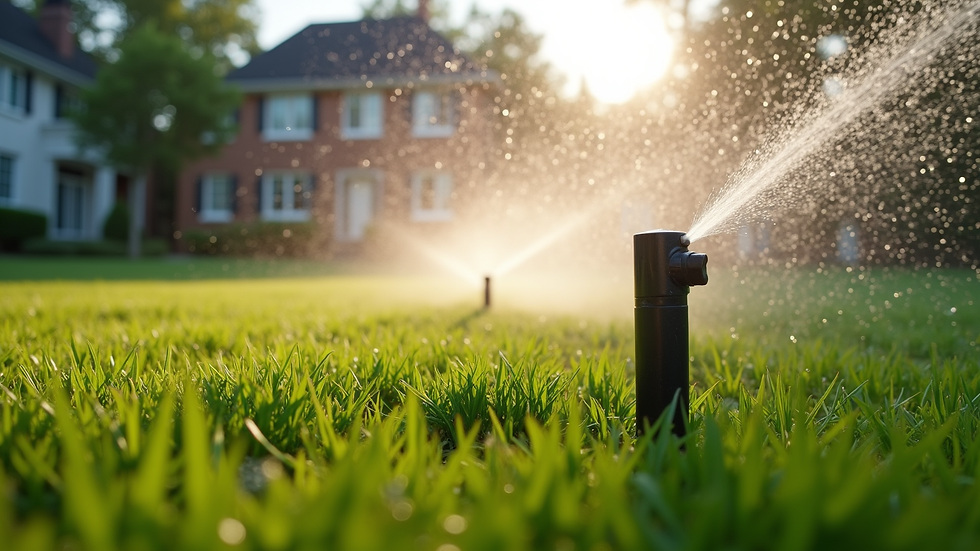
Watering is one of the most critical aspects of garden maintenance. Here are some effective watering practices:
Deep Watering
Instead of frequent shallow watering, aim for deep watering sessions. This encourages roots to grow deeper into the soil, making plants more resilient to drought. Water your garden early in the morning or late in the afternoon to minimize evaporation.
Mulching
Applying a layer of mulch around your plants can help retain moisture in the soil. Organic mulches, such as wood chips or straw, also improve soil quality as they decompose.
Pruning and Deadheading
Regular pruning and deadheading are essential for maintaining plant health and promoting growth.
Pruning
Timing: Prune plants during their dormant season to minimize stress. For flowering plants, prune after blooming to encourage new growth.
Technique: Use sharp, clean tools to make precise cuts. Remove dead or diseased branches to improve air circulation and reduce the risk of pests.
Deadheading
Removing spent flowers encourages plants to produce more blooms. This practice is particularly beneficial for annuals and perennials.
Pest and Disease Management
Keeping your garden free from pests and diseases is crucial for plant health. Here are some strategies to manage these issues:
Integrated Pest Management (IPM)
IPM combines various strategies to control pests while minimizing harm to beneficial insects. Consider the following:
Monitoring: Regularly inspect your plants for signs of pests or diseases.
Natural Predators: Encourage beneficial insects, such as ladybugs and lacewings, which feed on harmful pests.
Organic Treatments: Use organic pesticides or homemade remedies, such as neem oil or insecticidal soap, to manage infestations.
Crop Rotation
If you grow vegetables, practice crop rotation to prevent soil-borne diseases. This involves changing the location of specific crops each year to disrupt pest life cycles.
Fertilization Techniques
Proper fertilization is essential for healthy plant growth. Here are some tips for effective fertilization:
Organic Fertilizers
Consider using organic fertilizers, such as compost or well-rotted manure. These not only provide essential nutrients but also improve soil structure.
Timing and Application
Seasonal Needs: Fertilize in spring when plants are actively growing and again in late summer for fall bloomers.
Application Method: Follow the manufacturer's instructions for application rates and methods to avoid over-fertilizing.
Lawn Care Essentials
If your garden includes a lawn, proper maintenance is key to keeping it healthy.
Mowing
Regular mowing promotes a dense and healthy lawn. Follow these guidelines:
Height: Set your mower to the appropriate height for your grass type. Taller grass shades the soil, reducing weed growth.
Frequency: Mow regularly, but avoid cutting more than one-third of the grass height at once.
Aeration
Aerating your lawn helps improve air circulation and nutrient absorption. Consider aerating in the fall or spring, especially if your lawn experiences heavy foot traffic.
Seasonal Maintenance Tasks
Maintaining your garden requires attention throughout the year. Here are some seasonal tasks to keep in mind:
Spring
Clean-Up: Remove debris, dead leaves, and winter mulch to prepare for new growth.
Planting: Start planting annuals and perennials as the risk of frost passes.
Summer
Watering: Monitor moisture levels and adjust your watering schedule as needed.
Weeding: Regularly remove weeds to prevent competition for nutrients and water.
Fall
Harvesting: Collect ripe fruits and vegetables before the first frost.
Preparation: Mulch perennials and prepare your garden for winter.
Winter
Planning: Use this time to plan your garden for the next season. Consider what worked well and what changes you want to make.
Protection: Protect sensitive plants with burlap or frost cloth as needed.
Conclusion
Maintaining a healthy garden is an ongoing process that requires dedication and knowledge. By understanding your garden's needs, implementing effective watering practices, managing pests, and following seasonal maintenance tasks, we can create a thriving landscape that brings joy and beauty to our homes. Start applying these tips today and watch your garden flourish!
Remember, gardening is not just about the end result; it’s about enjoying the journey of nurturing your plants and connecting with nature. Happy gardening!


Comments